 JUXIN FOOD EQUIP


Распространенные проблемы с мясорубкой для замороженного мяса
9Frozen meat grinders face poor discharge, uneven particles, motor overload and leakage; timely fixes and maintenance cut downtime and ensure stable production.
View detailsПоиск по всей станции
Uneven meat cubes from frozen meat dicers mainly result from blade assembly, feeding system, raw material status and equipment assembly.
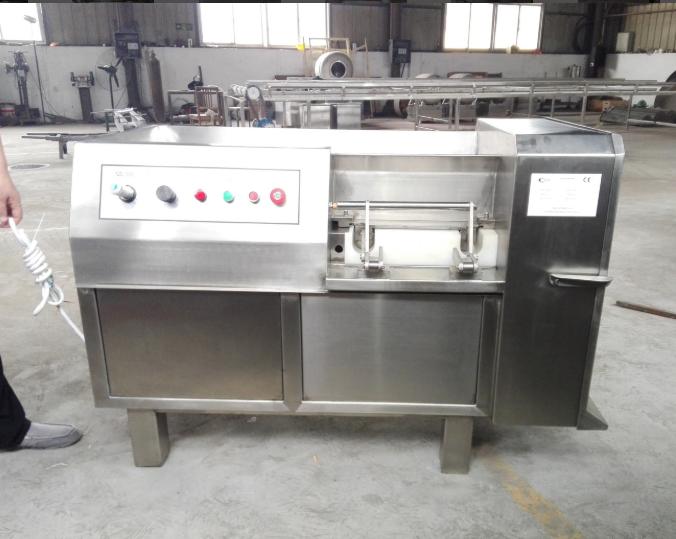
Solutions: Sharpen or replace blades regularly, calibrate grid gaps and tighten blade screws. Keep proper belt tension and feed flat blocks at constant speed. Control frozen meat temperature and pre-cut irregular large blocks. Maintain bearings and pre-pressure mechanism periodically.
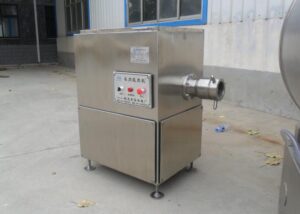
Frozen meat grinders face poor discharge, uneven particles, motor overload and leakage; timely fixes and maintenance cut downtime and ensure stable production.
View details
Maintenance includes cleaning after each production run, daily inspection, weekly deep cleaning, monthly checks, long-term storage care, and safety precautions.
View details
Bone crusher blades wear fast mainly due to hard impurities, improper feeding, wrong blade-liner gaps or vibration, poor maintenance, and low-hardness blades.
View details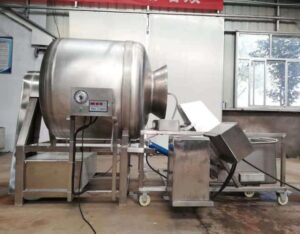
Poor vacuum tumbling causes uneven seasoning, low water retention, low yield and hard meat. Check 60–80% load, vacuum seals/pump, tumbling cycle and 0–4℃ meat.
View details

HelloPlease log in